Belany: A Handwritten Font for Elegant Design
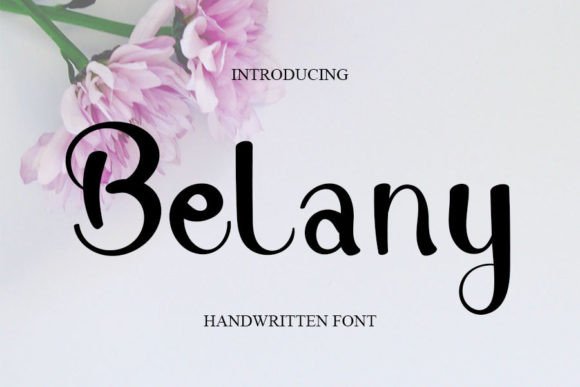
When redesigning the header for a lifestyle blog, I found myself searching for a font that could capture both warmth and sophistication. That’s when I discovered Belany—a handwritten script font with a refined edge that felt just right for the project. Its gentle curves and subtle imperfections brought a personal touch to the design, making it feel more inviting and authentic.
Belany is more than just a pretty font. It’s a carefully crafted typeface that balances playfulness with elegance. The strokes are clean, yet they carry a sense of movement that feels almost like a hand-drawn signature. This makes it ideal for branding, where personality and readability need to coexist seamlessly. Whether used in a logo, a headline, or a decorative element, Belany adds character without overwhelming the design.
One of the things I love about Belany is how it adapts to different editorial needs. For a recipe ebook, I paired it with a simple serif font for body text, letting the script font shine as a title and subtitle. The contrast created a visual rhythm that guided the reader through the content while maintaining a cohesive look. In a wedding guide, Belany worked beautifully as a pull quote, adding a touch of romance and refinement to the layout.
Its versatility extends beyond digital projects. In a printable planner, Belany added a personal flair to section headers, making each page feel unique yet consistent. For a coaching workbook, it helped create a warm, approachable tone that encouraged engagement. These applications show how Belany can enhance a wide range of editorial formats, from social media posts to print materials.
Readability is a key consideration when choosing a font, especially for longer texts. While Belany is best suited for short bursts of text—such as headlines, captions, and decorative elements—it still maintains a level of clarity that makes it suitable for small-scale use. When used in conjunction with a more readable font, it can help establish a strong visual hierarchy without sacrificing legibility.
In a digital magazine layout, Belany served as a standout element for article titles, drawing attention while keeping the overall design elegant. It also worked well as a decorative accent in sidebars and infographics, where its organic feel complemented the visual storytelling. For a newsletter graphic, it added a human touch that made the content feel more personal and engaging.
When working on a course PDF, I found that Belany was perfect for chapter openers and section headings. Its soft, flowing style gave the document a polished yet friendly appearance, which was important for maintaining a positive learning experience. Pairing it with a clean sans serif font for the body text ensured that the content remained easy to read, even on smaller screens.
For a creative project like a printable guide, Belany added an artistic quality that elevated the overall design. Whether used in headers, captions, or decorative elements, it brought a sense of craftsmanship that resonated with the target audience. This makes it a great choice for independent content creators looking to add a unique touch to their work.
Belany’s appeal lies in its ability to blend creativity with functionality. It’s not just a font—it’s a design tool that can help shape the tone and identity of a publication. Whether you’re working on a blog header, an ebook cover, or a social media graphic, Belany offers a fresh and stylish option that stands out without being distracting.
As I continued to experiment with Belany, I appreciated how it supported the overall aesthetic of the projects I was working on. Its subtle variations and stylistic choices allowed for a more dynamic and expressive design language. This made it easier to create a consistent brand identity across different formats and platforms.
When considering typography for a new project, it’s always helpful to think about the mood and message you want to convey. Belany is particularly well-suited for content that aims to feel warm, approachable, and visually appealing. It works well in contexts where a personal touch is desired, such as in a lifestyle blog, a wedding guide, or a creative course.
Before using Belany in any project, it’s worth checking the available styles, alternates, and ligatures to ensure it meets your specific needs. The font includes multiple weights and variations that can be used for different levels of emphasis, making it adaptable to a variety of editorial requirements. It also supports multilingual content, which is essential for global audiences.
Font licensing is another important factor to consider, especially if you plan to use Belany in commercial projects or distribute it as part of a template or digital product. Making sure you have the correct license will help avoid any legal issues down the line. This is particularly relevant for content creators who sell printables, offer paid newsletters, or collaborate with clients on design projects.
Ultimately, Belany is a font that brings a sense of personality and charm to any design. Its combination of elegance and playfulness makes it a valuable addition to any designer’s toolkit. Whether you’re working on a blog header, an ebook title, or a social media graphic, Belany can help elevate your content and create a more engaging reading experience.
With its thoughtful design and versatile application, Belany is more than just a font—it’s a statement. It invites readers to connect with the content on a more personal level, making it an excellent choice for anyone looking to enhance their editorial work with a touch of style and authenticity.